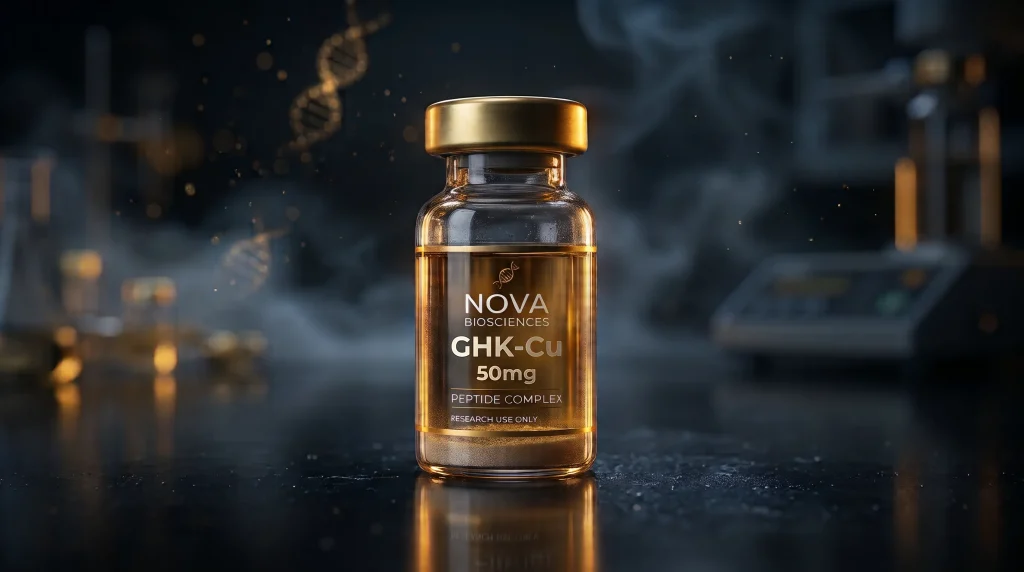
GHK-Cu is a small copper-binding peptide that researchers have studied for decades, and it remains a frequent subject of laboratory work on skin, tissue repair and gene expression. Its full name — glycyl-histidyl-lysine bound to copper — describes a three-amino-acid sequence that can carry a copper ion, which is central to how it behaves in […]
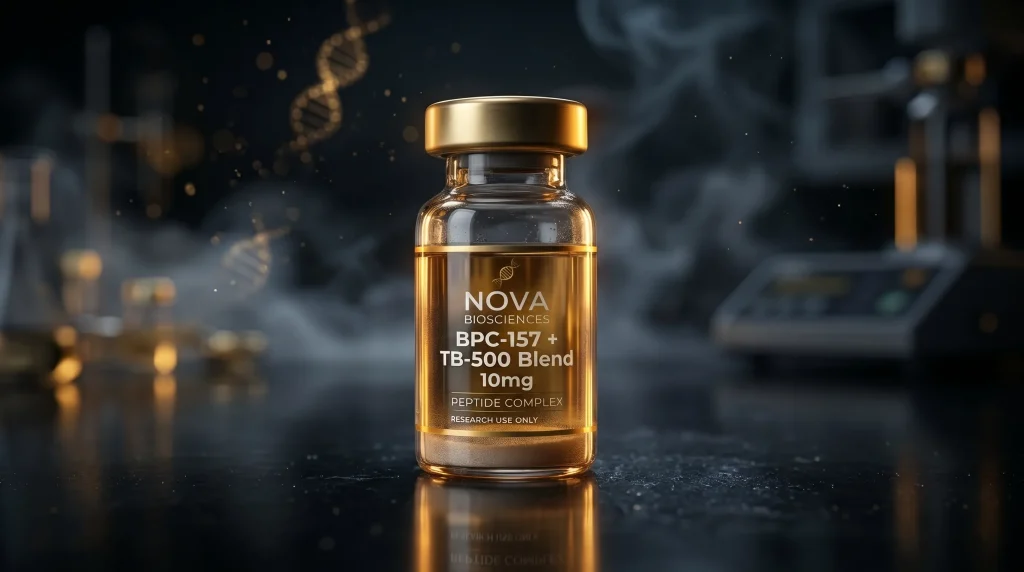
Research teams often study compounds in combination, and one pairing that appears regularly in the laboratory literature is TB-500 with BPC-157. TB-500 is a synthetic version of thymosin beta-4, a naturally occurring peptide involved in cell movement and repair, while BPC-157 is a synthetic pentadecapeptide studied in tissue repair models. Nova BioSciences supplies a BPC-157 […]
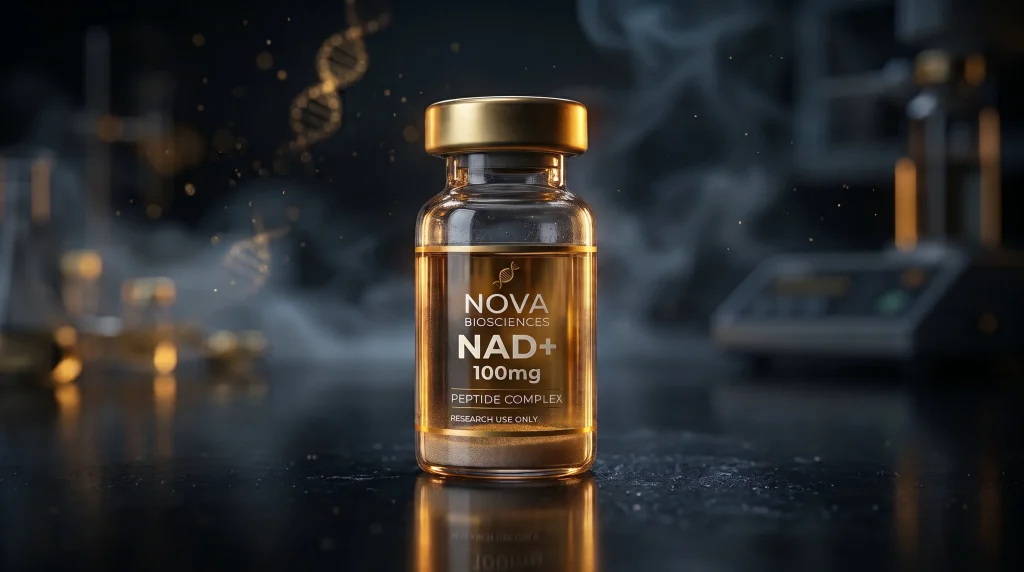
NAD+ — nicotinamide adenine dinucleotide — is a coenzyme found in every living cell, and it has become one of the most studied molecules in cellular and ageing research. It plays a central role in energy metabolism, DNA repair and cell signalling, which is why laboratories around the world use it as a model compound. […]
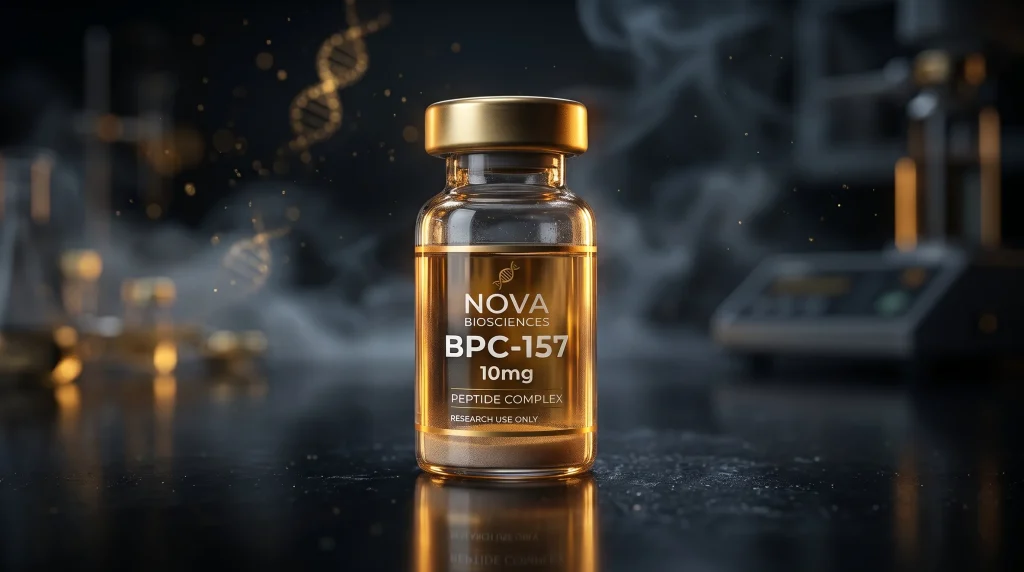
BPC-157 is one of the most discussed compounds in laboratory peptide research. Short for Body Protection Compound-157, it is a synthetic pentadecapeptide made up of 15 amino acids. In research settings, it is studied as a model compound for understanding tissue repair, cellular signalling and mucosal biology. Nova BioSciences supplies BPC-157 (10mg) for laboratory research, […]